
Knowledge
Welcome to the Knowledge. Here you will find the Equipment, the Rules, and how The Point System works in Savate.
The Origins of Savate
Savate, also known as Boxe Française, is the official martial art of France and one of the most refined striking systems in the world. Its roots trace back to 18th and early 19th century France, where it emerged from street fighting traditions in Paris and among sailors in port cities like Marseille.
In the 19th century, Charles Lecour revolutionized the discipline by combining traditional kicking techniques with English boxing, creating the modern form of Savate practiced today.
Today, Savate is a regulated combat sport practiced in a boxing ring, blending precision, control, and tactical intelligence. While it may resemble other striking arts at first glance, Savate is distinguished by its unique use of footwear, its technical kicking system, and its emphasis on accuracy, timing, and elegance.
More than just a fighting system, Savate represents a balance between tradition and performance—where every movement is designed to be efficient, strategic, and refined.
Equipment
Engineered for Precision and Protection
In Savate, equipment is not just protective —it is integral to performance. Every element is designed to support speed, accuracy, and control while ensuring athlete safety.
Fighters wear gloves similar to boxing gloves, but with extended cuffs to reinforce forearm protection during defensive movements such as 'parade en protection'. The sports combat uniform consists of modern, highly mobile, fitted pants and a shirt, allowing full freedom of movement, paired with specialized footwear featuring reinforced toe caps —essential for delivering precise and effective kicks.

Gloves (Les Gants)
Gloves are a fundamental tool for both safety and performance.
Standard weight: 14 oz
Minimum: 12 oz for sparring or more (depending on athlete's weight category)
Extended cuffs for enhanced forearm protection
Designed for striking precision and defensive coverage
Proper glove selection ensures both protection and optimal striking mechanics.
The Clothing
Training attire should be functional, fitted, and unrestricted.
Bottoms: Combat training tights or pants
Top: Fitted athletic t-shirt (avoid loose clothing)
Hand protection: Hand wraps are strongly recommended for wrist and knuckle support
The objective is simple: maximum mobility with zero distraction.
Essential Safety Equipment
Safety is a non-negotiable standard in all levels of training.These elements ensure athletes can train with intensity while minimizing risk.
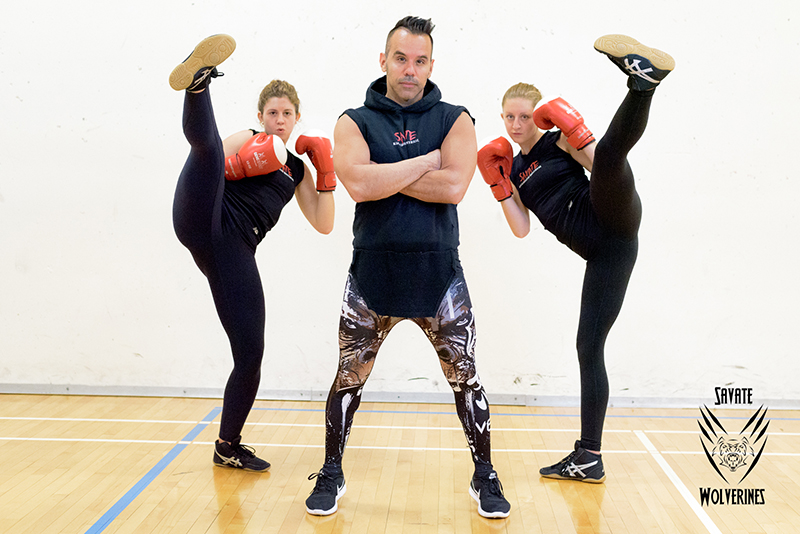
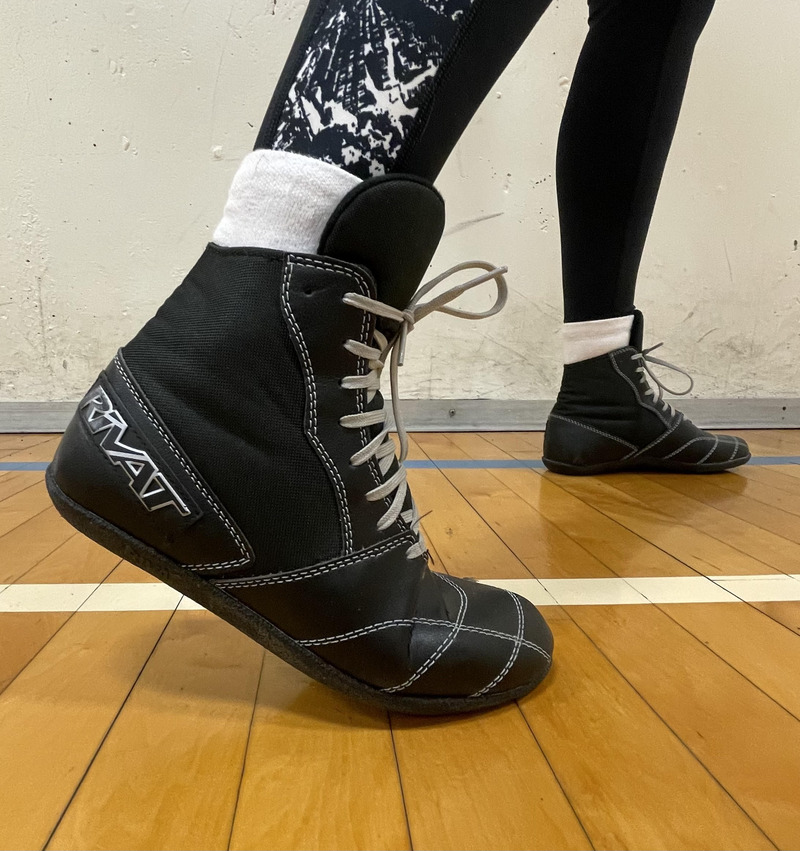
The Footwear
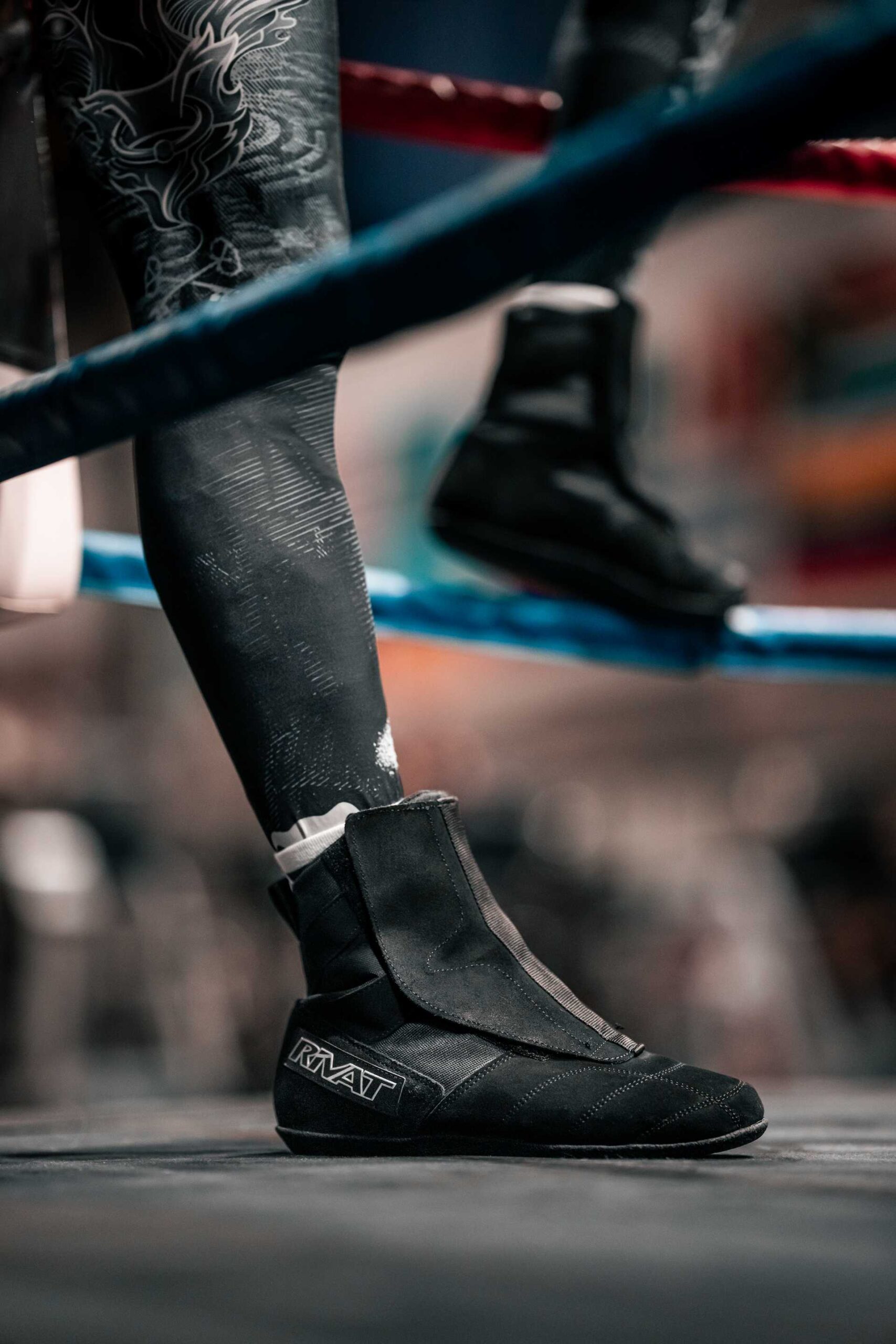
The Signature of SavateFootwear defines Savate. Unlike other striking arts, all kicks are delivered with shoes, making them a critical component of both technique and identity.
Savate footwear includes
What to Look For
There is more to the sport then just the equipment
The Rules
Structure, Control, and Competitive Integrity
Savate is governed by a structured rule system that emphasizes precision, control, and athlete safety.
Round Format
Savate bouts are conducted in timed rounds, typically shorter than traditional boxing:
- 1 minute
- 1 minute 30 seconds
- 2 minutes
Each round is followed by a 1-minute rest period, allowing athletes to recover and maintain high technical performance throughout the contest.
Point Breakdown
Points are awarded based on location as well as:
- Accuracy and clean contact
- Technical execution
- Control and balance
- Tactical effectiveness
The Philosophy of Rules
In Savate, rules are not limitations—they are what elevate the discipline.
They ensure that every exchange reflects:
- Skill over force
- Control over chaos
- Strategy over aggression
Assaut Point Values
Clarity. Precision. Measurable Skill.
In Savate, scoring is designed to reward technical precision and tactical intelligence. In Assaut (light-contact), points are awarded based on clean, controlled touches—not force.
Each successful technique is assigned a value based on difficulty, target, and execution.
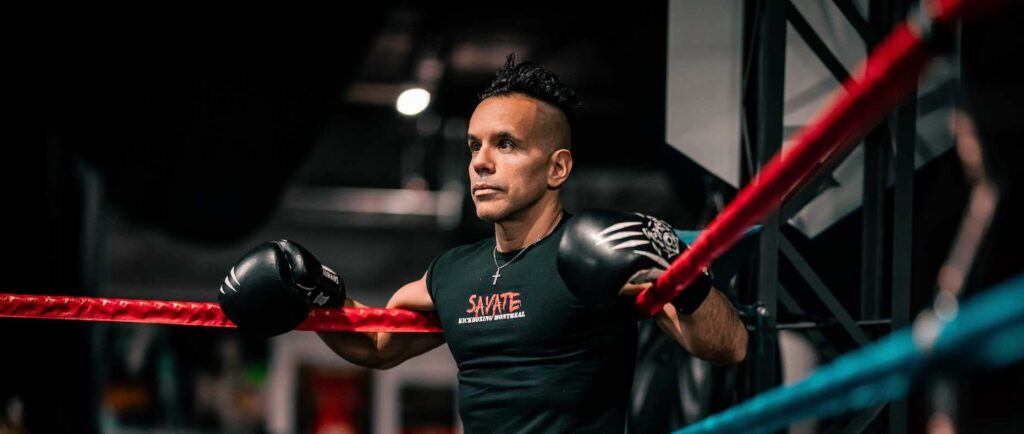

Technical Superiority
Beyond individual techniques, judges also evaluate:
- Dominance and ring control
- Consistency and clean execution
- Tactical intelligence and composure
A fighter who controls distance, dictates pace, and lands cleaner techniques may be favored—even with fewer total strikes.
Scoring Breakdown for Assaut
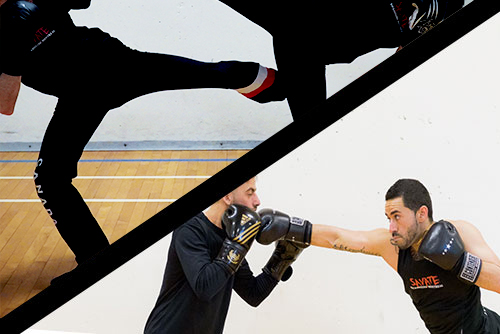
1 Point
Low-line kick (to the legs)
Straight or clean punching technique
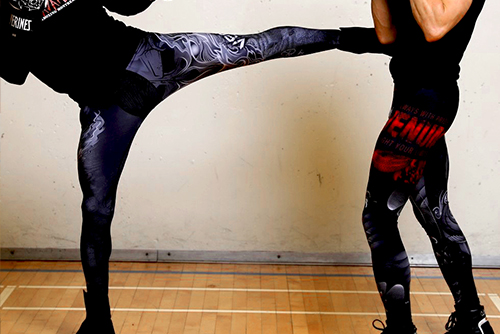
2 Points
Mid-level kicks (body)
Controlled, well-executed techniques demonstrating clear contact
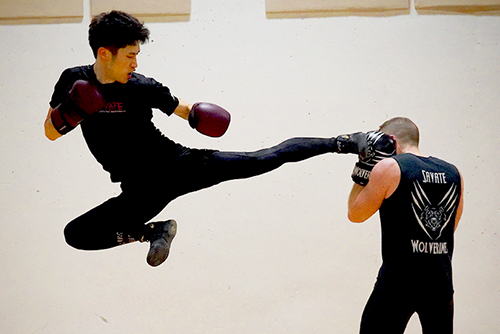
4 Points
High kicks (to the head)
Advanced techniques requiring precision, flexibility, and timing
Officiating
A certified referee oversees each bout to ensure:
- Fair play and adherence to rules
- Enforcement of technical and safety standards
- Proper conduct from fighters, coaches, and corners
"Savate maintains a strong tradition of discipline and respect, both inside and outside the ring."
What Judges Look For
At the highest level, judges are not just counting strikes—they are evaluating skill.
They assess:
- Who controls the distance
- Who dictates the rhythm of the bout
- Who demonstrates superior technique and composure
Penalties and Deductions
Points may be deducted for:
- Excessive force (especially in Assaut)
- Loss of control or unsafe behavior
- Striking with unauthorized surfaces
- Repeated rule infractions
Discipline is essential—technical errors and lack of control are penalized.
Competition Formats
Two main types of matches
Savate is practiced in two primary competitive formats, each emphasizing a different aspect of the discipline
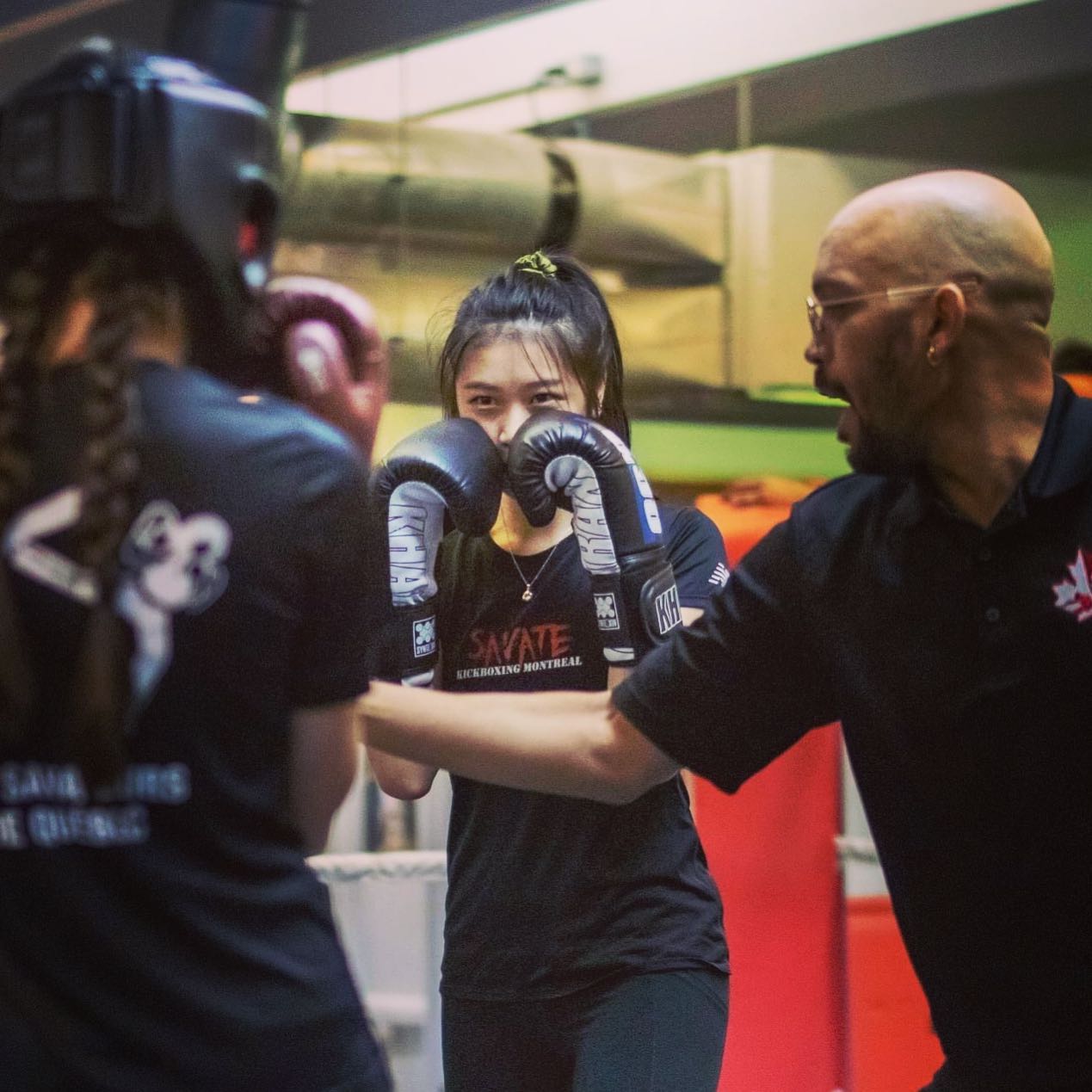
Assaut
Light Contact
A technical form of sparring focused on control, precision, and clean scoring. -Power is limited. Emphasis on technique, timing, and accuracy. Winners are determined strictly by points.
Victory
- Points decision
- Referee stoppage
- A Coach throwing in the towel
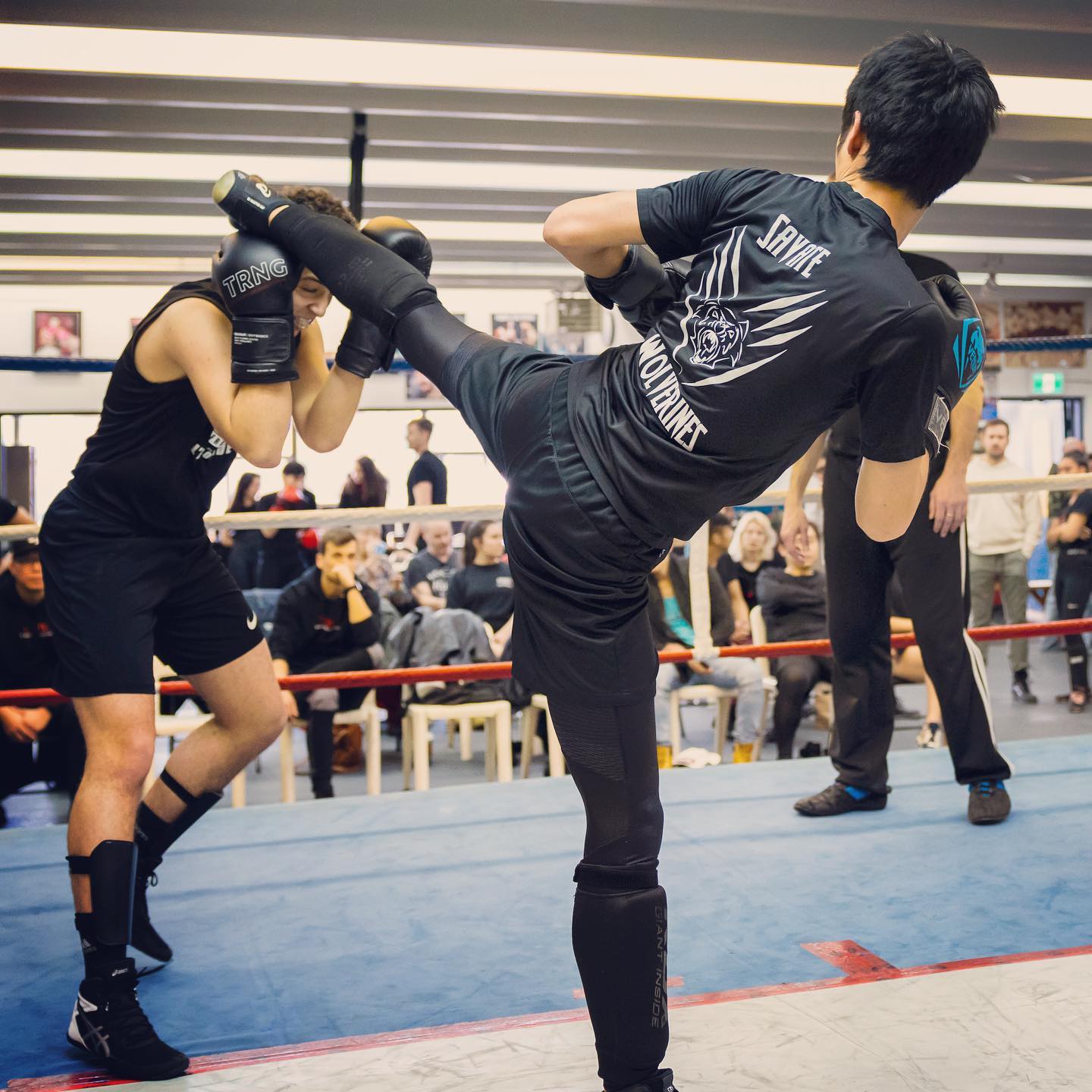
Combat
Full Contact
A full-contact format where athletes may seek to finish the bout. Knockouts or referee stoppages can end the contest. Points are still awarded for effective, clean techniques. Requires advanced skill, conditioning, and control
Victory
- Points decision
- Knockout
- Referee stoppage
- A Coach throwing in the towel
Ranking System (Les Gants)
Progression Through Skill
Unlike many martial arts, Savate does not use belts. Instead, practitioner, known as Savateurs, progress through a glove-based ranking system called les Gants (“the gloves”).
Each level reflects technical ability, knowledge, and progression within the discipline.
Glove Levels
Blue Glove (Gant Bleu)
Green Glove (Gant Vert)
Red Glove (Gant Rouge)
White Glove (Gant Blanc)
Yellow Glove (Gant Jaune)
Each rank represents a stage of development, from foundational skills to advanced technical understanding.
Advanced Technical Grades
The highest non-competitive technical distinctions are:
- Gant d’Argent – 3rd Degree
- Gant d’Argent – 2nd Degree
- Gant d’Argent – 1st Degree
These levels represent elite technical mastery and deep understanding of Savate.
Competition Rankings
For athletes competing in the ring, additional rankings apply:
- Gant de Bronze
- Gant d’Argent (1st, 2nd, 3rd Degree)
These distinctions reflect competitive achievement and performance at higher levels of the sport.
The Philosophy of Progression
In Savate, advancement is not given—it is earned through precision, discipline, and consistency.
Every rank represents more than skill. It reflects:
- Technical excellence
- Tactical understanding
- Respect for the art